How to work out the shape of your peak, when to start hiring, and the four public holidays that land right in the middle of it.
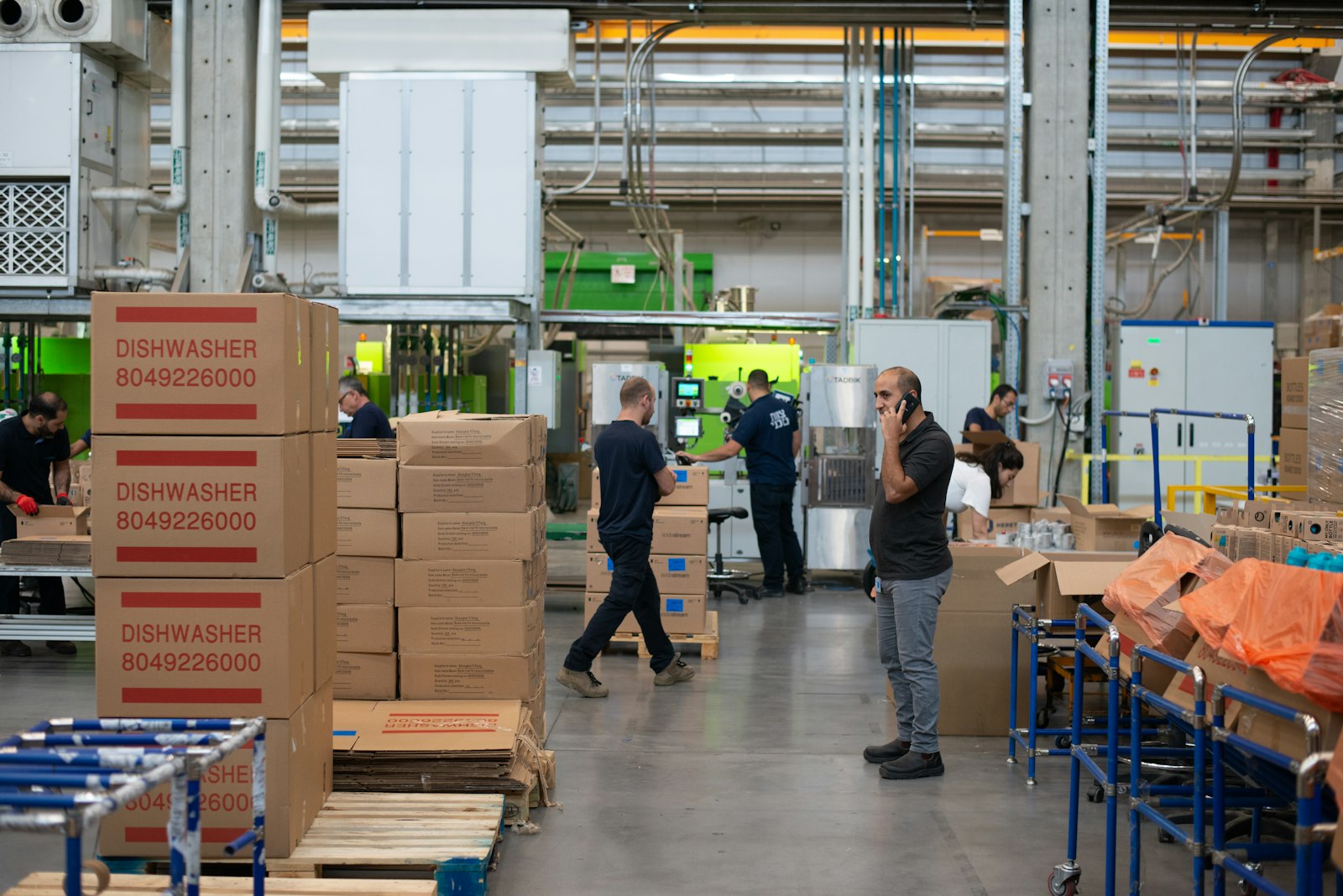
Most FMCG, food production and warehousing operations in New Zealand know their busiest weeks are coming. Fewer have worked out exactly what the workforce needs to look like when they arrive.
The pressure is rarely a surprise. What catches businesses out is the timing: by the point the peak is obvious, everyone in the same region is hiring the same people.
October feels early. It isn't.
Workers who are available in December have usually committed to someone in October or November. If you start recruiting when volume is already climbing, you are choosing from whoever is left rather than whoever is suitable.
Starting early also gives you time to induct people properly, which is usually the real bottleneck.
"We need more people in December" is not a workforce plan.
Go through it week by week. When does volume start climbing? Which weeks are the worst? Does the pressure sit in production, in dispatch, or in both? Do you need a night shift you don't normally run, or more people on the shift you already have?
A plan built week by week tells you when to bring people on and, just as usefully, when you can let them go.
This is the detail that costs businesses money every year.
Across the 2026/27 peak there are four public holidays: Labour Day on Monday 26 October, Christmas Day on Friday 25 December, Boxing Day on Saturday 26 December, and New Year's Day on Friday 1 January, with 2 January falling on the Saturday.
Because Boxing Day and 2 January fall on a Saturday, they can be "Mondayised". Whether they are depends on the individual worker. If Saturday is a day that worker would otherwise have worked, the holiday stays on the Saturday. If it isn't, the holiday moves to the following Monday.
For a weekday-only operation that is simple enough. For a site running weekend shifts, it means two workers standing side by side can have their public holiday on different days. Anyone working a public holiday is entitled to at least time and a half, and to an alternative holiday if it was a day they would otherwise have worked.
Work out those costs before you build the roster, not after.
These are not interchangeable.
Casual employment suits genuinely irregular work with no expectation of ongoing shifts. A fixed-term agreement needs a genuine reason based on reasonable grounds, and that reason has to be in writing before the person starts. Labelling someone casual when you are actually rostering them regular full-time shifts is the kind of thing that surfaces later as a problem.
Using a staffing provider is the third option, and it puts the employment relationship, payroll and cover for absences with them rather than with you.
Twenty new people arriving in one week sounds like a solved problem. It usually isn't.
Someone has to run the site induction, issue PPE, cover food safety and hygiene requirements, check licences, and put new starters alongside someone experienced for their first shifts. That capacity is finite, and it is usually the same supervisors who are already flat out.
Stagger the start dates. Ten people who know what they are doing beat twenty who are still finding the smoko room.
Peak ends faster than it builds. Volumes drop away in January while the roster stays full.
Decide in advance which roles finish when, and tell people honestly at the start how long the work is expected to last. Workers who are told the truth up front come back next season. Workers who are cut with no warning don't.
Peak staffing costs more per hour than your permanent team. Temporary rates carry the cost of recruitment, payroll, cover and compliance, and public holiday rates apply to everyone.
The comparison that matters is against the alternative: pallets not moving, orders not going out, trucks waiting, and overtime for a permanent team that is already tired. Those costs are real too, they are just harder to see on an invoice.
Plan the peak in October and you are choosing your workforce. Plan it in December and you are taking what is available.
Planning your summer peak? Talk to AR Staffing Solutions about the workforce you will need.
Last updated: 28 September 2026
Call 0800 277 724, 24 hours, 7 days.